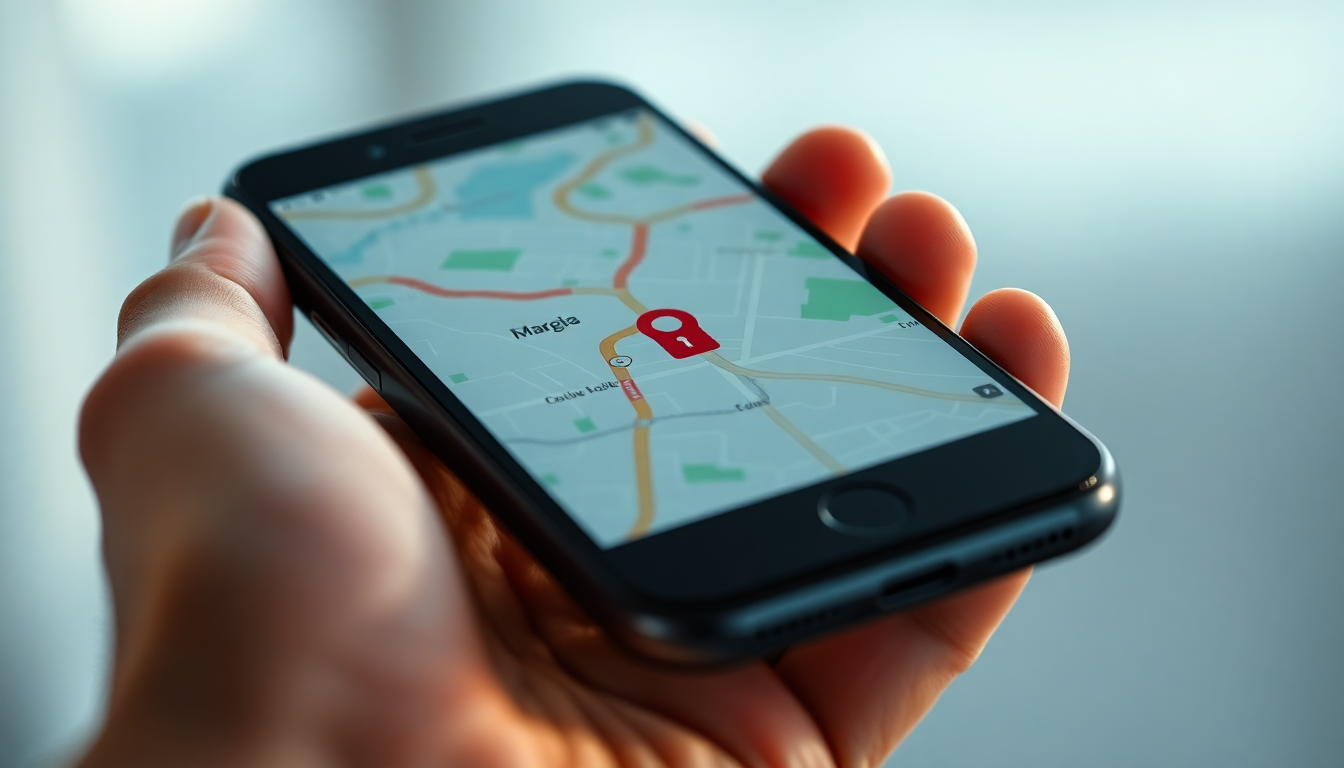
There’s a question that every manager who hands their teams a GPS-enabled app ends up asking sooner or later. How far can I look? Can I see where my staff are right now? Can I tell how long they’re stopping for lunch? It’s a legitimate question, and it’s also the question that determines whether the geolocation system you’ve introduced is a work tool or a problem you’ve brought upon yourself.
The short answer is that the employer can see far less than they imagine, and above all far less than the technology would allow. The fact that a system is capable of showing a person’s location every ten seconds does not mean you can look at it. Between the technical capability and the right to do so lie Article 4 of the Workers’ Statute and the GDPR, and together they draw a rather narrow line.
Article 4 is based on a simple principle: tools that could be used to remotely monitor workers’ activities cannot be installed at will. A trade union agreement is required, or, failing that, authorisation from the Labour Inspectorate, and the tool must serve a specific purpose, whether organisational or safety-related. Geolocation is no exception; indeed, it is the textbook example.
Then comes the GDPR, adding the rule that is most often ignored: data minimisation. You collect only the minimum necessary for the stated purpose, and nothing else. If the aim is to document that a job has been carried out on a particular site, you need to know that the team arrived and that they left. You don’t need a continuous record of their movements, you don’t need to know where they are at nine o’clock in the evening, and you don’t need to know the route they take to get home.
Try GeoTapp free for 14 days
No credit card required. Get started in 2 minutes.
The difference between the data you need and the data that weighs you down
This is the point that changes everything. Any data you collect without a valid reason is not extra data at your disposal; it is an extra risk on your shoulders. In the eyes of the Data Protection Authority, tracking an employee’s location after their contract has ended is not proof of efficiency; it is a breach. The more you see without a reason, the more exposed you are. Geolocation done properly isn’t the kind that shows you everything; it’s the kind that shows you only what you need to do your job.
What can you actually see?
In practical terms: you can know that a job has started and finished, and where. You can have proof that the team was at the client’s site. You can track the hours worked per site. What you cannot do, and must not want to do, is surveillance. Real-time location tracking as a matter of routine, tracking outside working hours, mapping personal movements: these are things for which no legitimate purpose exists, and for which an inspection will cost you dearly.
Having a system that records every movement and deluding yourself that it is an advantage is like keeping a box of documents in a safe that you don’t need and which, if found, incriminate you. It is not an asset. It is incriminating evidence awaiting an expert.
The right tool makes the decision for you
The good news is that compliance doesn’t have to be a daily struggle driven by common sense and fear. It can be a one-off decision, made when you choose the tool. A system built on geofencing records arrival and departure from the site and stops there. It doesn’t present you with data you shouldn’t be looking at, simply because it doesn’t collect it.
GeoTapp is designed this way. Geolocation is linked to the start and end of the job, not to a thread that follows the person all day long. The question of ‘how far can I look’ ceases to be a source of anxiety, because the tool only looks where it is right to look. You’re left with what you really need: the certainty of where and when a job was done.
So, before you open the app and look for your employee’s dot on the map, ask yourself honestly: do you need that data to do your job, or do you just need it to know? If it’s the latter, it’s better not to have it at all. See how geolocation works when it only collects what’s necessary.
Get articles like this in your inbox
Practical insights on GPS tracking, field operations and GDPR. No spam, just useful content.