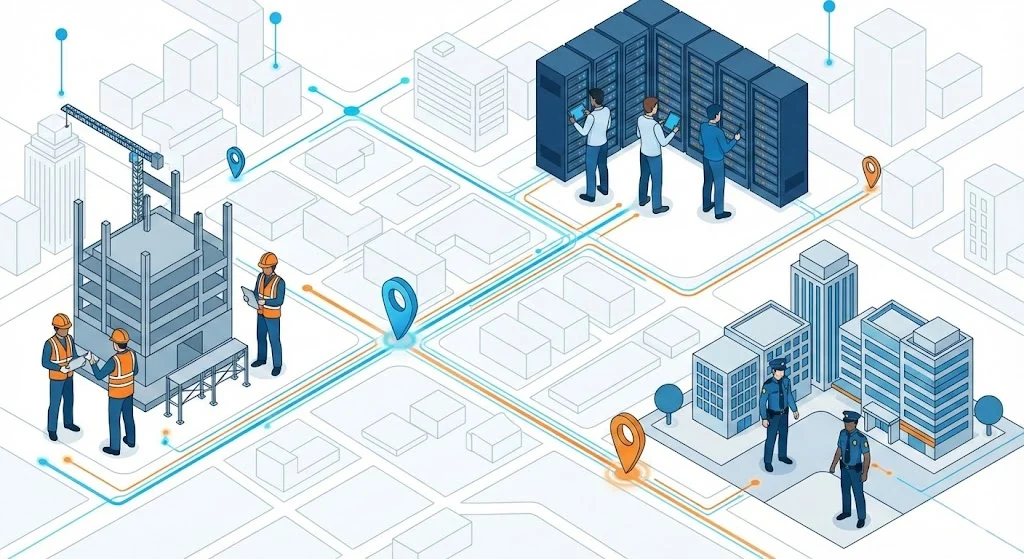

Managing a mobile team is one of those challenges that every entrepreneur knows well: in the morning you send five technicians to five different construction sites, and already at ten you start asking yourself who arrived, who had a traffic problem and who really started working. The phone rings, the messages pile up on WhatsApp, and you — who should be thinking about making the company grow — are stuck being a receptionist. This is the invisible cost of managing mobile teams without the right tools: you don’t see it in accounting, but you hear it every day
.
Managing mobility teams is a fundamental aspect for modern companies that operate with staff spread over multiple offices or in constant movement. The implementation of effective coordination and tracking systems makes it possible to maximize operational efficiency, reduce costs and guarantee a better quality of service to end customers. But above all, it gives you back that very precious thing that no accounting can quantify: the peace of mind of knowing that everything is under control without having to micromanage
every single person.
Contenuti
- The real problem of mobility: the information that doesn’t arrive
- Real-time coordination: what really changes
- Geolocation and privacy: how it works properly
- From stamping to invoicing: the flow that changes business
- How GeoTapp solves Team Mobility Management
- Fast onboarding and low costs: the advantage for SMEs
The real problem of mobility: the information that doesn’t arrive
When your employees are working offsite, the main issue isn’t physical distance—it’s the information that gets lost on the street. A technician who starts half an hour late, an operation that takes longer than expected, a customer who changes plans at the last moment: without a centralized system, this information comes to you hours later, when the damage has already been done. And often they don’t come at all, because nobody wants to make that uncomfortable phone call.
The concrete result is that every month you pay hours that you are not sure you have received, you invoice late work because you lack data, and you lose customers who expected punctuality and transparency. It’s not your employees’ fault — most of them work honestly — but it’s a system that doesn’t support either you or them. With the management of real-time monitoring, however, all relevant information arrives automatically, without anyone having to remember to report
it.
Real-time coordination: what really changes
Imagine opening a single screen in the morning and seeing all your technicians: who has already stamped the entrance, who is still traveling, who has completed the first surgery and is moving to the second one. You don’t need to call anyone, you don’t have to wait for someone to text you. You have in front of you a complete view of your team, in real time, from your smartphone or office computer.
This is exactly what a modern mobility team management system does: it doesn’t ask you to change the way your team works, but it gives you the visibility you lacked. Your technicians use the app on their phone to stamp entry and exit — a gesture that literally takes three seconds — and you automatically receive all the information you need to manage your day efficiently. The assignment of tasks becomes more precise because you know who is available and where they are, and you can react immediately when something
changes.
Geolocation and privacy: how it works properly
One of the most common doubts when it comes to GPS tracking is the issue of privacy. And it’s a legitimate doubt: nobody wants to feel spied on while working, and as an employer you have no interest in creating a climate of continuous surveillance. The good news is that a well-designed system has nothing to do with espionage: geolocation takes place only at the exact moment of stamping, not continuously. The phone records the coordinates when the worker starts the shift and when he finishes it — and that’s it. No tracking during breaks, no recording of movements during the day.
This approach complies with the GDPR, respects the dignity of workers and at the same time provides you with the most important information: confirmation that every employee was actually in the right place at the right time. For those who manage construction sites, cleaning companies or maintenance services, this is the difference between a disputed invoice and a quick payment. The customer can no longer say “your technicians weren’t here” when you have a timestaped GPS test that proves the opposite
.
From stamping to invoicing: the flow that changes business
The real power of managing mobility teams does not lie only in knowing where your employees are: it lies in the fact that every data collected automatically becomes the basis for everything else in your operation. The timed hours feed the weekly reports for the accountant, eliminating that exhausting phase at the end of the month in which you try to reconstruct who worked how much. Field reports become the basis for invoices, drastically reducing the risk of unbilled or underinvoiced interventions
.
Think about how many times you told yourself ‘I did this job but I didn’t score it’ or you discovered at the end of the month that a two-hundred-euro intervention remained on the ‘to invoice’ list for weeks. With an automated flow, every hour worked is immediately linked to the corresponding order, and from there to the invoice. This is not about additional red tape: it’s about recovering revenue that you already owe but that you lose every time the communication chain is interrupted
.
How GeoTapp solves Team Mobility Management
GeotApp offers practical and efficient solutions for managing mobility teams, allowing companies to better organize and coordinate operational teams in the area thanks to advanced tracking, communication and reporting features. The TimeTracker module captures the GPS position only at the time of stamping, with full respect for privacy, while the control panel shows you at a glance the status of the entire team. GeoTapp Flow, on the other hand, links each stamp to the related order, automatically constructing the path that leads from field work to the final invoice
.
Proper management of mobility teams requires the use of appropriate technological tools such as those offered by GeotApp. These systems allow managers to have a complete view of the status of the jobs and the position of the mobile staff, facilitating communication and the efficient assignment of tasks. To learn more, consult our monitoring section or visit the main site www.geotapp.com to discover all
the available features.
Fast onboarding and low costs: the advantage for SMEs
A frequent concern when introducing a new digital tool is team resistance. ‘My workers are not used to technology’, ‘it will take weeks to teach them’, ‘they will never use it’. These fears are understandable, but they often stem from experience with overcomplicated systems that require hours of training to work. A well-designed mobile stamping app, on the other hand, is intuitive by definition: if it takes more than five minutes to learn how to use it, it’s the app that has a problem, not your employees
.
GeoTapp was designed exactly with this philosophy: zero training, onboarding in five minutes, an interface designed for those who use their smartphone in the middle of a construction site with gloves on. The employee downloads the app, receives the credentials, and the next day starts stamping. The administrator sees the data in real time from the control panel. There are no complicated forms, there are no bureaucratic procedures to learn. The advantages of managing mobility teams with GeotApp are concrete: reduced travel times, better allocation of resources, increased operational transparency and greater team satisfaction. And all this for less than two euros per month per employee — less than a coffee — which is the lowest price you can pay to regain control of your company
.
Manage the hours of your mobile staff
GeoTapp eliminates time disputes with verifiable GPS stamping, photographic evidence for each intervention and zero sheets of paper.
Keep reading
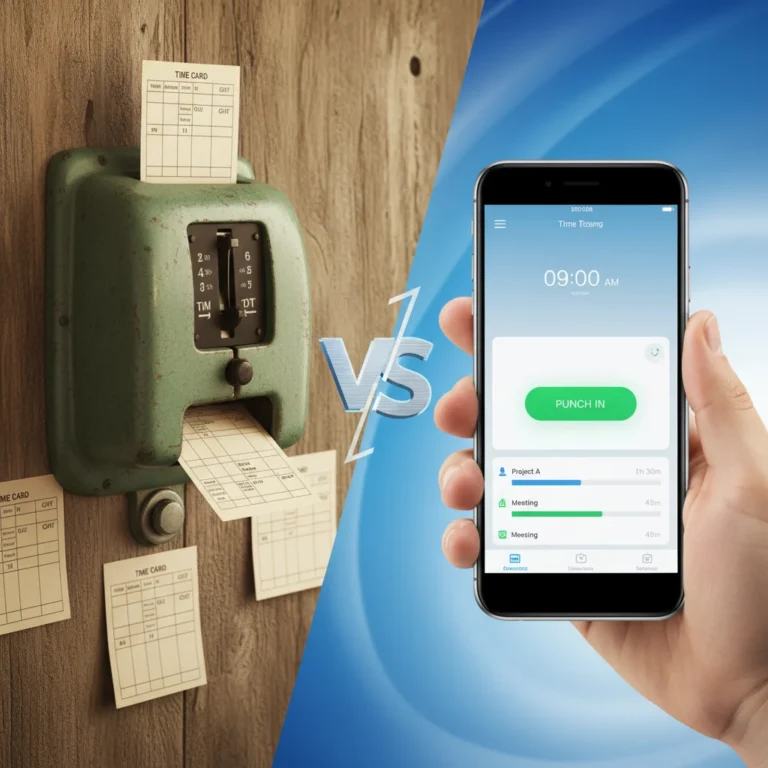
Digital Stamping vs Traditional Tag: SME 2025 Guide
18 March 2026
Real-time order control: how to avoid contested reports at the end of the month
2 April 2026
Invisible margin: how much do micro-delays in the field really cost you
31 March 2026
Cleaning company: how much would your life change if every intervention were finally under control?
18 March 2026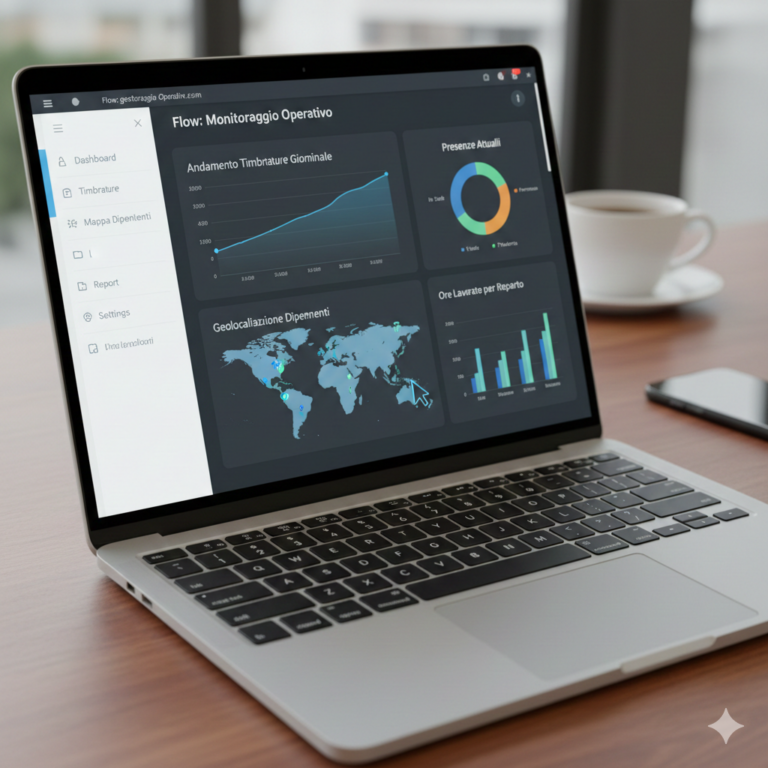
Why do SMEs lose money without knowing it: how Geotapp-Flow puts expenses, employees and inventory in order
18 March 2026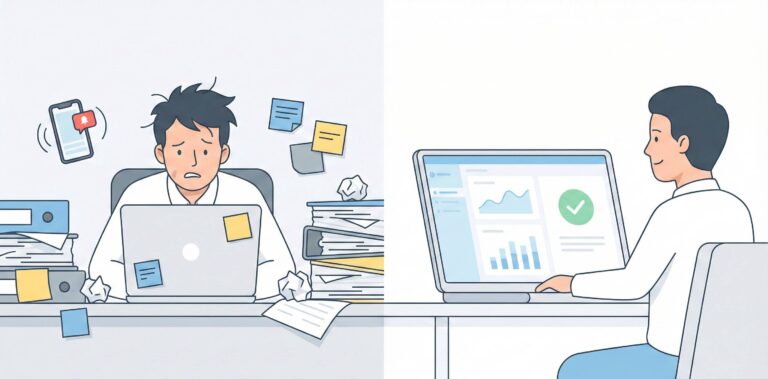
Where does Geotapp-Flow come from: the owner’s control panel
18 March 2026