Field service 2026: the real issue behind the return to the office
April 2, 2026 · 5 min
In 2026, the debate over returning to the office dominates the agenda of thousands of companies. Amazon, Goldman Sachs, JPMorgan: the big names are mandating four or five days in the office. LinkedIn is awash with indignant posts. Podcasts debate whether remote working was ever truly productive. But there is one group of workers who are watching this debate from the sidelines: those who work in the field every day.
For a plant engineer, a sales representative or a maintenance worker, the ‘return to the office’ is a non-issue. They have never been in an office. Yet their companies face the same unresolved problem: how can they really know what the team is doing, where they are and whether they are working effectively?
The return to the office does not apply to everyone
The dominant narrative of 2026 divides the world of work in two: those who physically return to the office and those who resist, seeking to retain the flexibility gained during the pandemic. But this division completely overlooks the 50% of the European workforce who have never had a designated desk.
Run a real distributed team for two weeks on a console built for the field, and judge whether the office debate still applies to you.
We’re talking about fitters, logistics staff, maintenance teams, field agents, and workers in the construction and services sectors. For them, the office is the van, the building site, or the client’s warehouse. The debate over remote working versus being in the office is irrelevant. But the underlying problem, how to ensure accountability and productivity without direct physical supervision, remains the same, and is in fact amplified.
Hybrid creep: the phenomenon that is getting out of hand
There is a phenomenon that HR experts call ‘hybrid creep’: the gradual blurring of the lines between presence and absence, between work and non-work, between declared commitment and actual commitment. In companies with distributed teams, this phenomenon has always existed, but now, with the growing focus on measurable productivity, it has become urgent to address it.
The problem isn’t trust. It’s the lack of operational visibility. A manager who doesn’t know where their teams are, how much time they’ve spent on each project, or whether their clocked hours match the hours worked, cannot make the right decisions. They cannot optimise costs. They cannot defend themselves in the event of disputes. And above all, they cannot understand where the organisation is losing efficiency.
This is not micromanagement. It is the minimum operational control required for a company that wants to remain in the market in 2026.
How do you really measure field work?
The most advanced companies in field service have already realised that the answer is not to impose stricter rules or ask employees for more manual reports. The answer is to equip themselves with tools that provide automatic and transparent visibility, without burdening those working in the field.
In practice, this means:
Try GeoTapp free for 14 days
No credit card required. Get started in 2 minutes.
Geo-referenced clock-ins: knowing not only that the worker has clocked in, but where, automatically verifying that they were at the right site.
Real-time planning: assigning teams, modifying jobs and receiving confirmations without constant phone calls.
Integrated attendance management: data automatically available for payroll processing, without Excel spreadsheets or manual data collection.
Operational reporting: how many hours per client, per site, per type of job, data ready for quick decisions.
This isn’t about monitoring employees. It’s about having reliable data on which to build an efficient organisation.
GeoTapp: operational control without micromanagement
GeoTapp was created precisely for this purpose. It is not a surveillance app, and it is not designed for office workers. It is the practical solution to the problem faced by thousands of Italian SMEs that have teams spread across the country and struggle to maintain operational visibility without placing the burden on area managers.
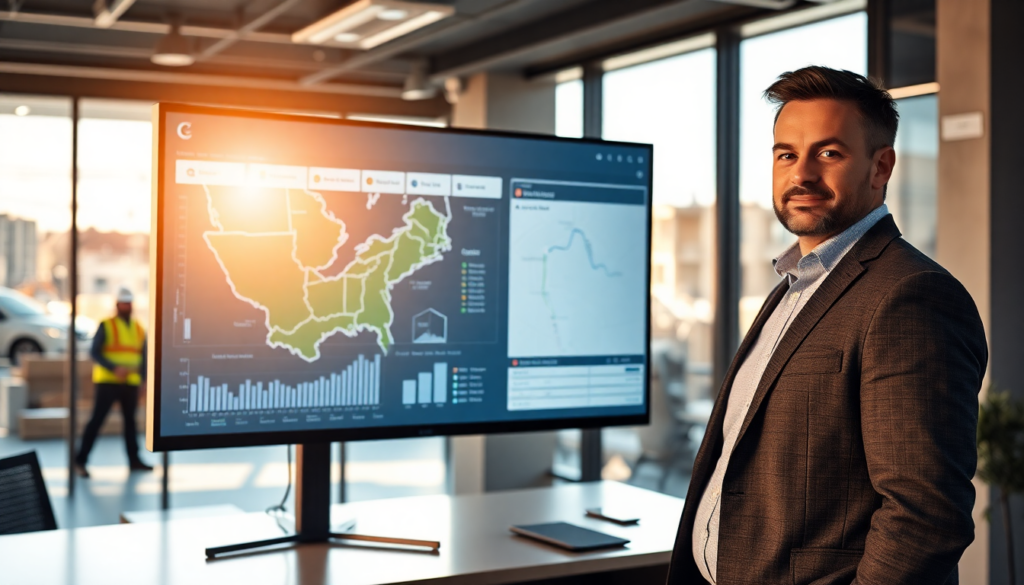
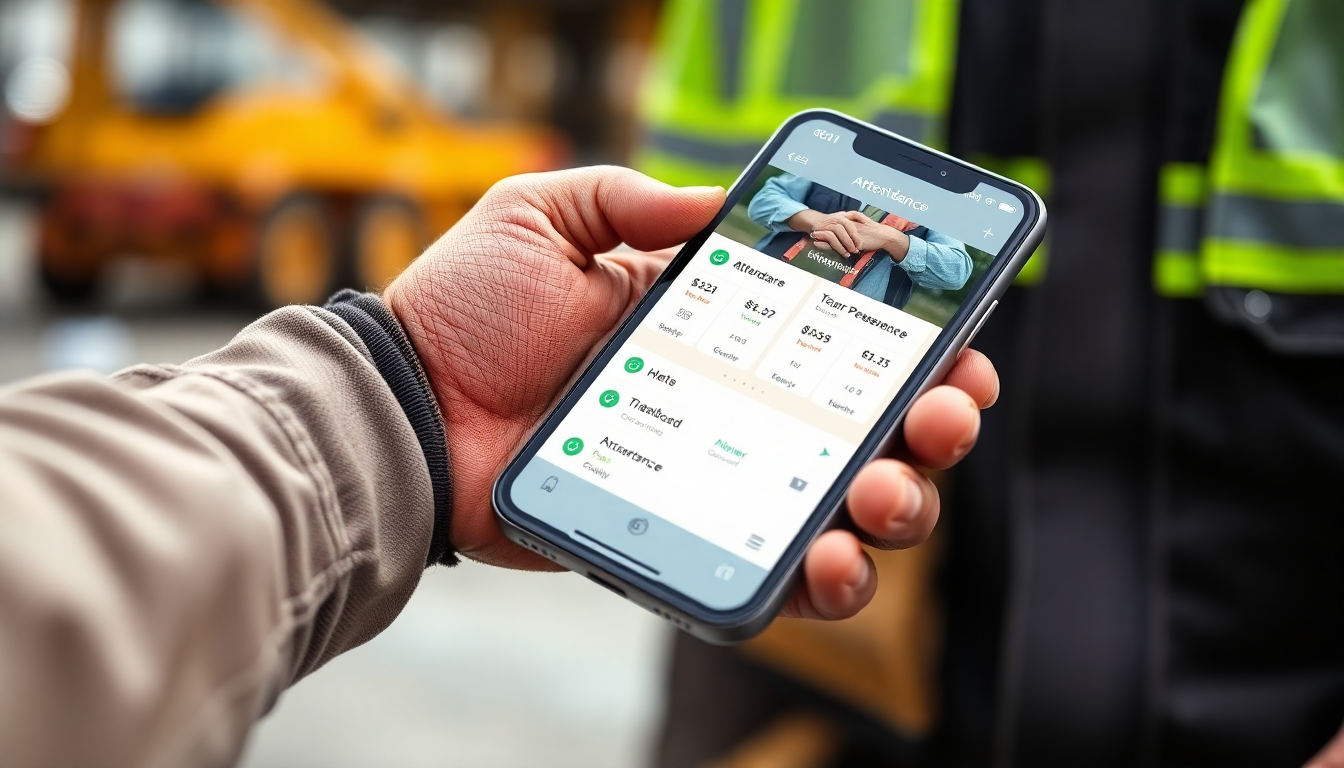
With GeoTapp, you have a single dashboard showing your teams’ locations, completed jobs, hours worked and any issues requiring attention. Clock-ins are done via a mobile app, are geotagged and cannot be altered retrospectively. The data automatically feeds into reports for payroll, invoicing and client reporting, without anyone having to collect timesheets or send verification messages.
Companies that have adopted GeoTapp report a reduction of up to 70% in the time spent on administrative attendance management and the complete elimination of manual timesheets. Not because the staff has changed, but because the system makes visible what was previously invisible.
2026 rewards those with tools, not those with more rules
Whilst the public debate continues to revolve around ‘how many days in the office’, companies with field teams have a real opportunity: to build a more efficient organisation now, whilst competitors are distracted by discussions that do not concern them.
Those who digitise attendance management and distributed work today will have a real competitive advantage within 12 months: lower administrative costs, faster decision-making, and more satisfied customers because interventions are better planned. Those who wait will continue to waste hours on phone calls, Excel spreadsheets and operational misunderstandings.
The return to the office is a matter for other sectors. Your problem, and your opportunity, is the operational management of distributed teams. And that solution already exists.
Would you like to see how GeoTapp works in practice?Find out how it works and request a free demo for your company.
Picture your dispatch Monday at eight, jobs assigned by location, clock-ins coming in green, no paper to chase later.
Run a distributed week on a real console. Fourteen days, no card.