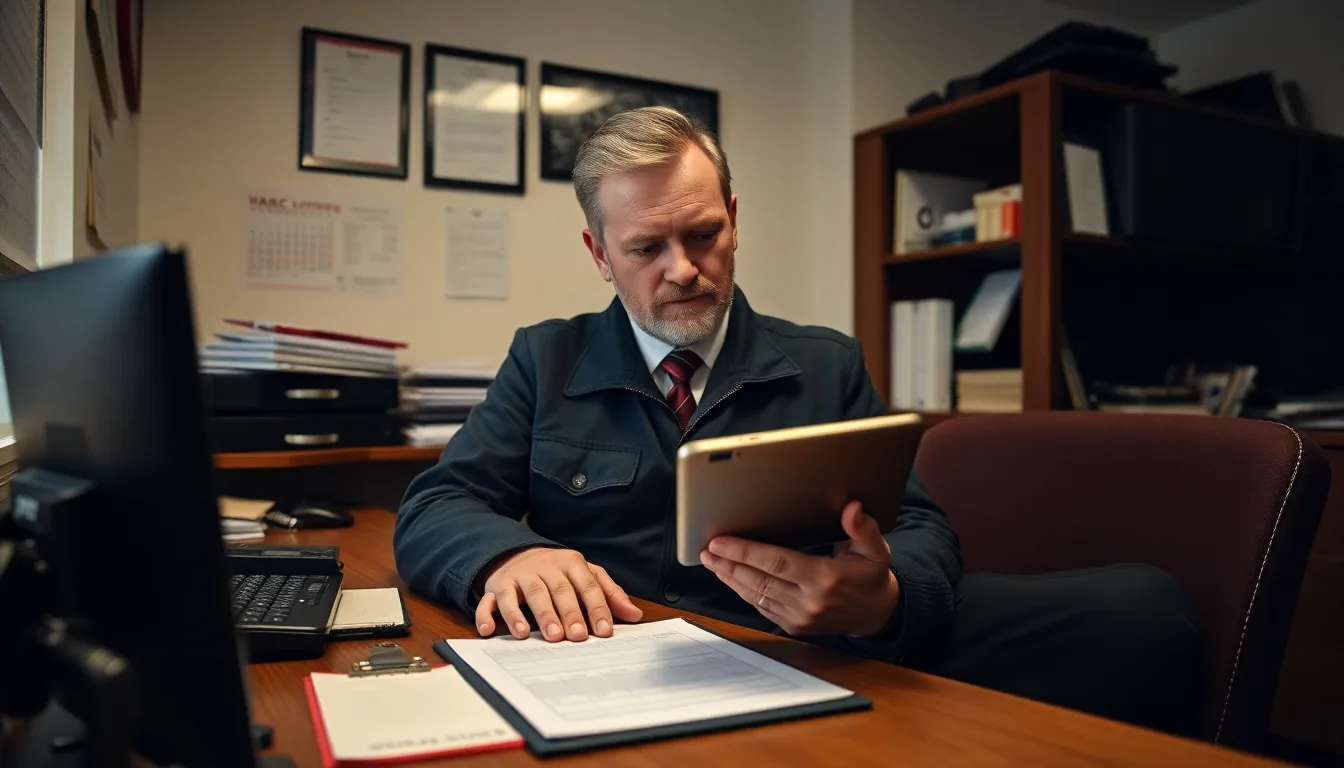
This often happens. Your site manager knows the photos need to be taken, so he takes them and sends them via chat. The process works as long as it works. Then, on the day of the dispute, you look for those images – the ‘before’ shots of the office prior to the work, and the ‘after’ shots with everything in order – and you realise you can’t find them.
The phone has been replaced. The gallery doesn’t have active backups. The foreman on that site was a stand-in and wasn’t in the right chat group. The photos are there, but they’re mixed in with thousands of other images with no legible date, no client name, and no useful reference.
The complaint comes in and you’re left empty-handed.
The structural problem with manual evidence
Manual evidence in cleaning companies – photos, WhatsApp messages, paper signatures, handwritten logs – all have one thing in common: they depend on someone remembering to create them, doing so correctly, and then not losing them. This is too much to ask of a system that handles dozens of jobs a week.
Not because your staff are negligent. The point is that creating evidence manually is an additional task on top of their main work, and as such it gets squeezed out, forgotten or done poorly on the busiest days. Taking a photo before the job requires remembering to do so the very moment you arrive on site. Taking a photo afterwards requires not forgetting to do so before you leave. These are steps that seem simple but are regularly overlooked.
What makes evidence truly irrefutable
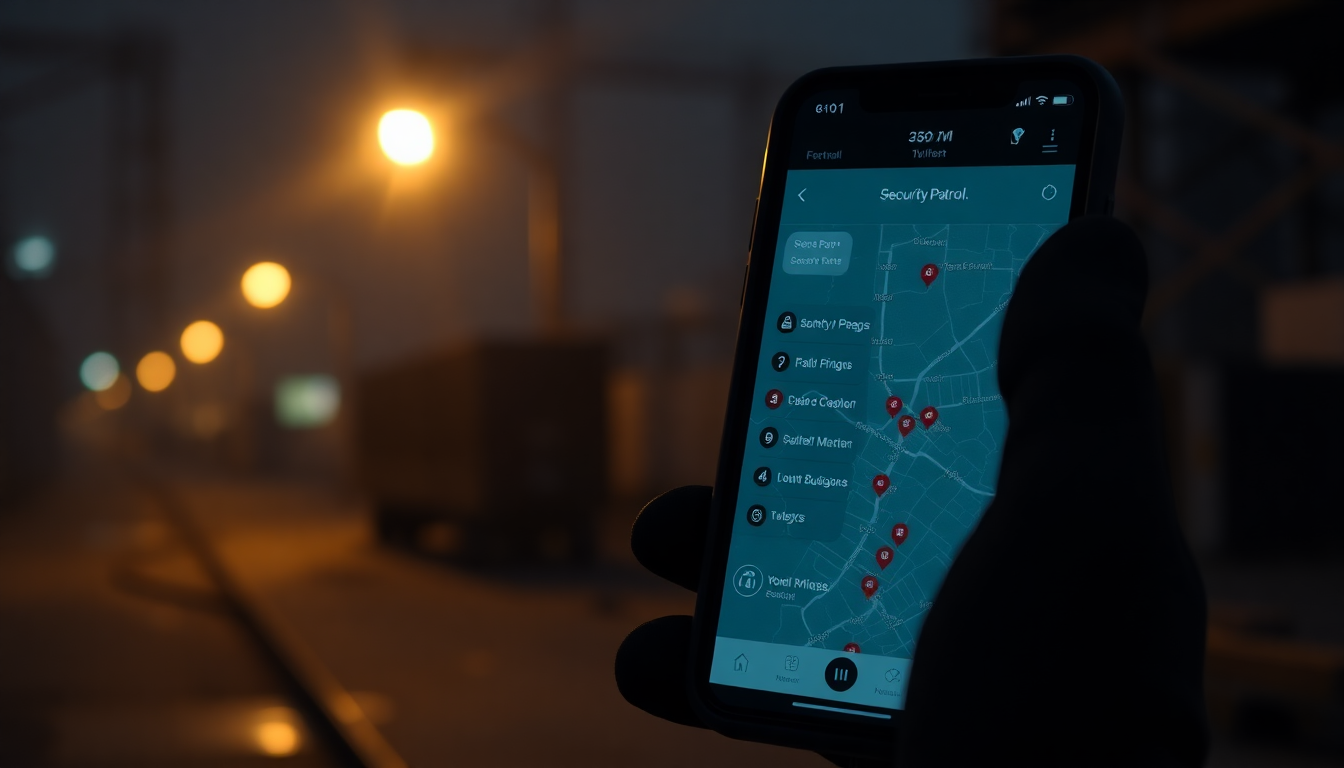
Photographic evidence that is useful in the event of a dispute has three characteristics: it must have a precise timestamp, it must include the image’s GPS coordinates, and it must be stored in a system that you can access quickly. A screenshot from an employee’s phone gallery has none of these characteristics in the way that is required.
The photo’s timestamp can easily be disputed. GPS coordinates aren’t enabled on all devices for all apps. Storage depends on the individual. And then there’s the issue of volume: if you manage fifteen building sites a week, you need at least thirty images a week. That’s over one thousand five hundred photos a year. How do you link them to the right client? How do you retrieve them in ten seconds when a dispute arises?