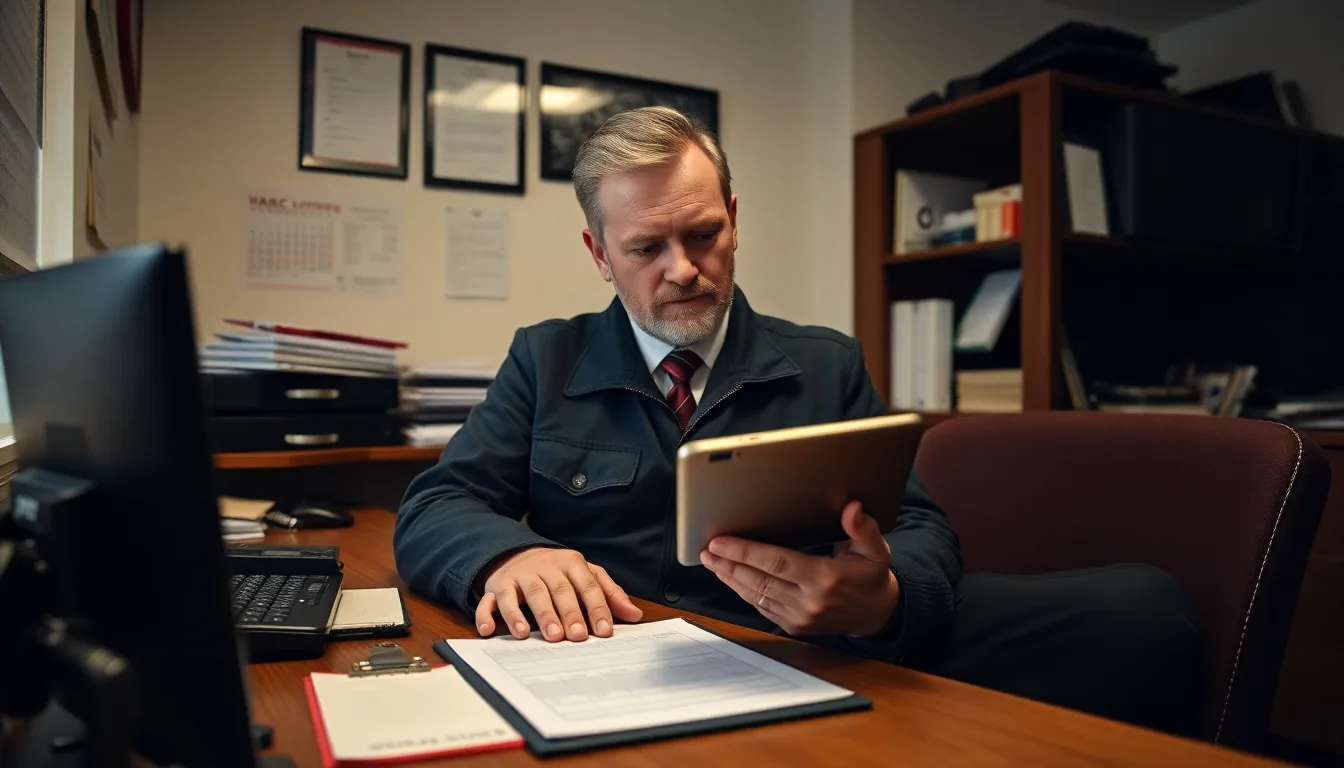
On 2 June, your team was at work. You organised it yourself: overtime, extra pay, an agreement reached with some difficulty because nobody fancied working over the long weekend. You sent six people instead of the usual four to finish early and ensure the work was up to standard for the return to work on Monday.
On 3 June, the client’s manager walked into the office and found everything just as he’d expected: clean, tidy, the corridors refurbished. He didn’t say a word; he probably didn’t even notice the work that had been done – which is a sign that it was done well.
On 5 June, you sent the invoice including the public holiday surcharge. The reply: “We have no record of any overtime work during that period. We’ll only be sending the standard payment.” No evidence. No signed documentation. Your foreman sends you a screenshot of an internal chat saying “done, everything’s fine”, but it’s a conversation between you and him, not evidence for the client.
Because public holidays are the most vulnerable time
On normal days, there’s almost always someone around – the receptionist, the floor manager, a passing client – who sees or knows that your team were there. On long weekends, there’s no one around. The office is empty, the building is closed to the public, and your staff member uses their keys to get in and works in complete isolation.
Public holiday surcharges are already a sensitive part of the commercial relationship with customers: they cost more, some accept them reluctantly, and the slightest doubt is enough to turn into a dispute. ‘There’s no record of the call-out’ is the easiest excuse for not paying a surcharge that the customer, deep down, didn’t want.
The recurring pattern
Many business owners recognise this pattern: disputes arise more frequently after long weekends, public holidays and holiday periods. This is no coincidence. It is the time when evidence is weakest and the client has the greatest scope to raise doubts. August is the riskiest month for companies providing cleaning services in commercial premises or offices: two weeks of work in virtually deserted premises, no witnesses, and invoices arriving in September when the client’s manager has returned from holiday and has no idea what has happened.
Every time a dispute of this kind is successful – even if it’s just a discount ‘to settle the matter’ – it sets a precedent. The client learns that during holiday periods they can dispute the bill without any consequences.