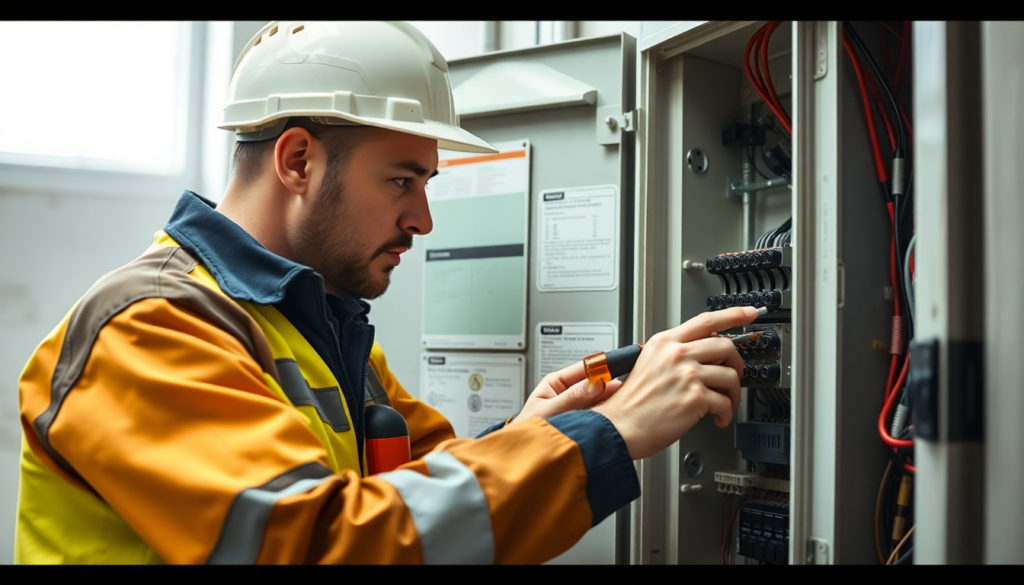
A van pulls up outside a job at half seven in the morning. The electrician grabs the toolbag, walks in, and gets to work. Nobody fills in a timesheet, nobody texts the office, and three weeks later, when the client queries the invoice and asks who was on site and for how long, the answer is a shrug and a vague memory. That gap, between the work being done and the work being proven, is the one a GPS app is supposed to close. The trouble is that most people picture the wrong thing when they hear the words.
Say “GPS app” to a plumber or an electrician and the first image is a little dot on a map, the boss watching it crawl across town all day. That is tracking, and it is not what a good trades app does. It is also the fastest way to lose your best people, because nobody who is good at the job wants to feel followed around like a parcel. The useful version works in almost the opposite way, and once you see the difference it is hard to unsee.
What it actually does is small and precise. When the engineer arrives and starts the job, one tap logs the time and the location of that tap. When the job is done, one tap closes it. In between, nothing. No trail, no dot creeping across a map, no record of the cafe stop or the route home. The app captures the thing that matters, that this person was at this address at this time, and then it gets out of the way.
Want to see a one-tap clock-in that logs the site, not the whole day? Open it today in the free 14-day trial.
No credit card, ready in two minutes.
Open your trialWhy one tap matters more than it sounds
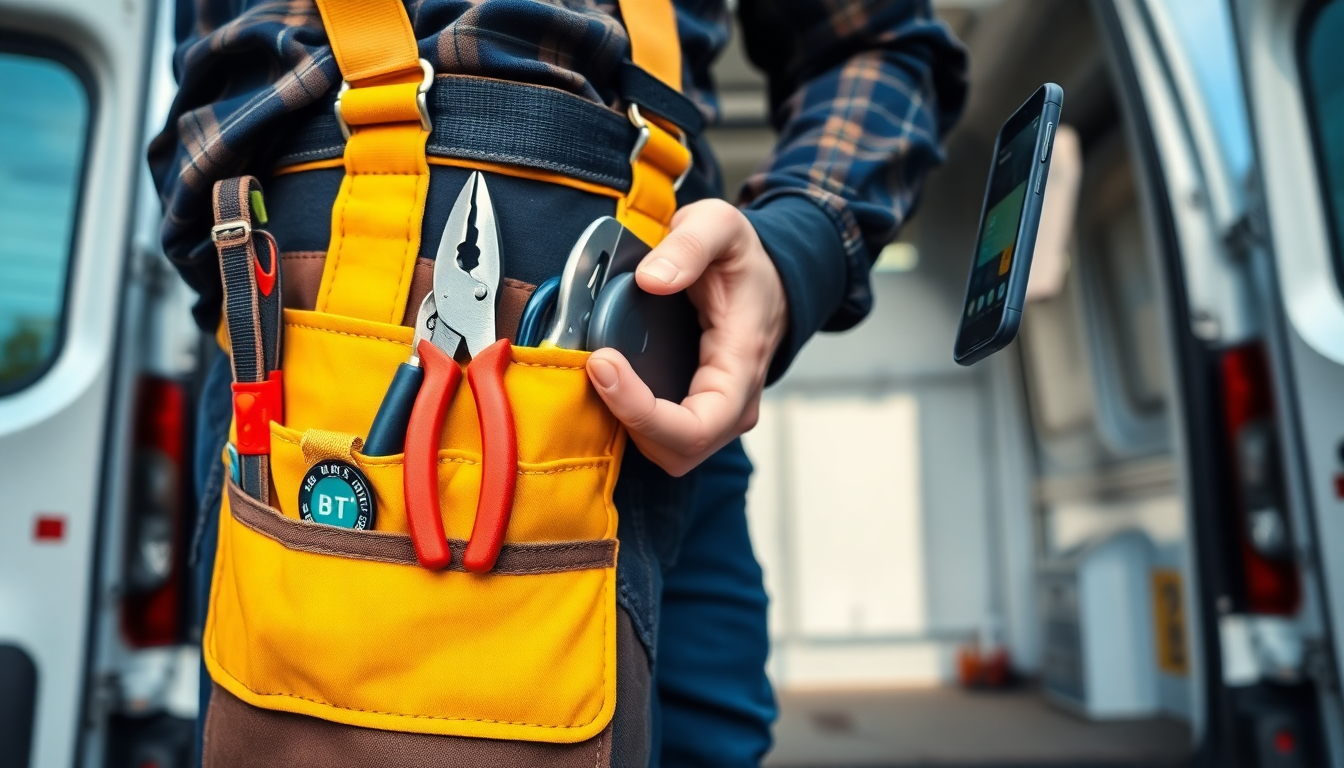
Trades work is hands-busy work. You are halfway up a ladder, or under a sink, or holding a live cable, and the last thing you will do is wrestle with four screens to log your start time. So if clocking in is any harder than a single tap, it does not happen, or it happens later from memory at the end of the week, which is the same chaos you were trying to escape. The whole value of the app rests on that first tap being effortless. Get that wrong and everything else is window dressing.
The location piece is where the same simplicity pays off twice. Because the position is only logged at clock-in and clock-out, you get proof without surveillance, and you stay on the right side of the law. Under UK GDPR the ICO expects you to collect only what you genuinely need, and continuous tracking of staff is exactly the kind of thing that draws complaints and fines. Logging the site at the start and end of a job is proportionate. Following an engineer all day is not. The lighter version is both kinder to your crew and safer for you.
Proof beats tracking, every time
Here is the part that earns its keep. Sooner or later a customer will insist nobody turned up, or that the job took twenty minutes when it took two hours, and without anything to show, it is your word against theirs. That argument is expensive, and you lose it more often than you should, even when you are right.