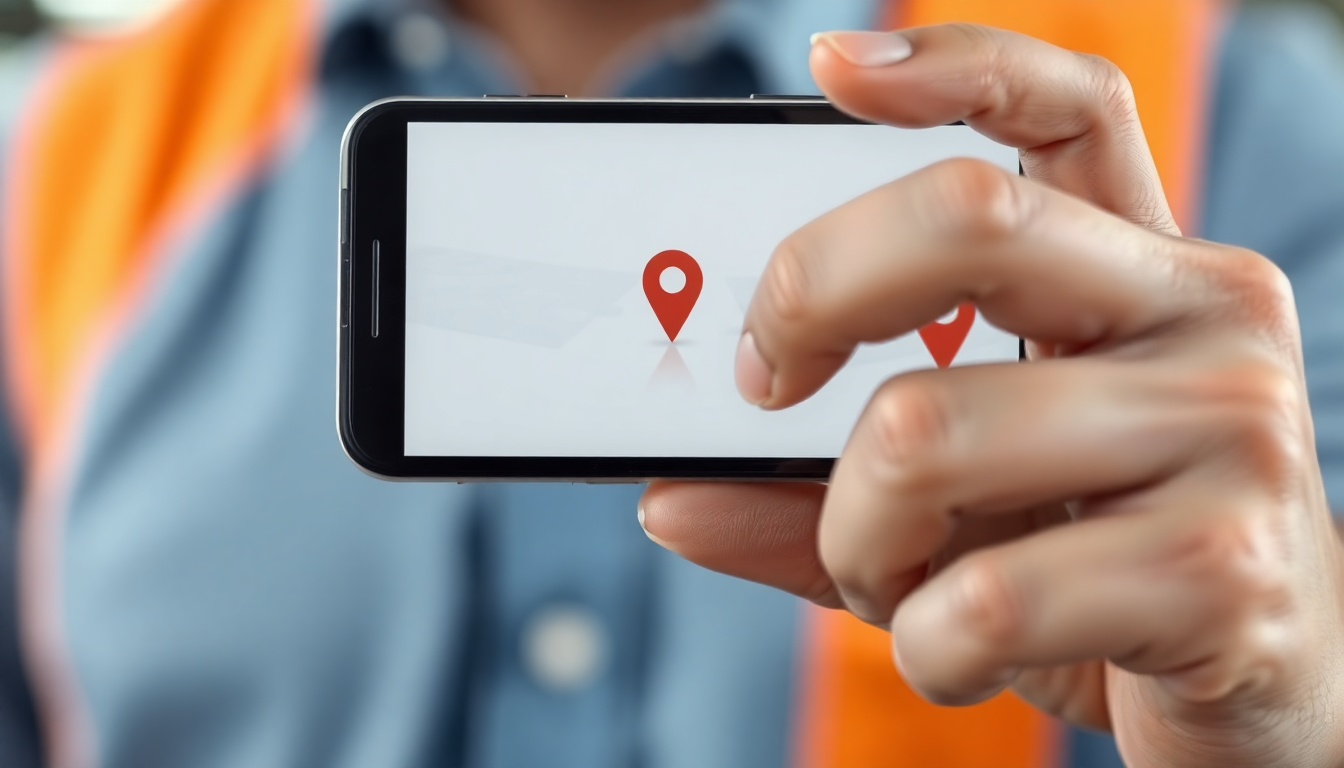



There is an idea that has been doing the rounds among employers ever since tracking software started costing less than a coffee: if I can see everything, why wouldn’t I. Where the vans are, how long they idle, when a technician actually clocks off, how many minutes they sit at a red light. The Americans even gave it a name, bossware, the tools that measure every breath a worker takes, and a recent Berkeley and Vanderbilt study put on record just how fast they are spreading. The temptation manages to look innocent, almost tidy: more data, more control, fewer arguments with the client. Then Europe walks in, and on this ground Europe made its mind up a long time ago.
The real question was never whether you can hand your crew a GPS, that answer is almost always yes. The question is on what terms, and here the continent splits into thirty-nine different shades. We went through the legal position in thirty-nine countries, the twenty-seven of the Union plus Norway, Iceland, the United Kingdom, Switzerland and the Balkans now falling into line, and the picture that comes out dismantles the idea that you just buy the app and switch it on. In almost all of them continuous round-the-clock tracking is banned or heavily restricted; in almost all of them the GPS has to go dark the moment the vehicle slips into private use; and in thirty-seven of those thirty-nine the legal basis is not the worker’s consent, considered far too fragile in a relationship where one side gives orders and the other signs, but legitimate interest, which has to be proven and balanced.
Thirty-six of those thirty-nine countries want an impact assessment before you even start, and in the vast majority employee GPS monitoring has been written explicitly onto the regulators’ high-risk lists. In plain English: it is not a form you sign and file, it is the moment you have to set out on paper why you need it, what you collect and how long you keep it. Whoever skips that step is not saving time, they are setting aside a complaint for the day it will hurt most. In the UK the ICO has said as much in its monitoring guidance, and the Home Office learned it the hard way when its GPS tagging of migrants drew enforcement rather than applause.
Want to capture proof of work without turning into a watchman over your own crew? Open it in the 14-day free trial and see check-in with a single tap, GPS only at the start and end of the shift.
No credit card, you are in within two minutes.
Open your trialItaly has the tightest gate in Europe
The national differences are where the map gets genuinely interesting. Italy, for a start, has the narrowest gate of the lot: Article 4 of the Workers’ Statute demands a union agreement or authorisation from the labour inspectorate before you install any system capable of remote monitoring, and it demands it always, with no “we are only a handful of us” shortcut. No other country in the group ties your hands so flatly regardless of company size. It is the only one of the thirty-nine that grants no thresholds at all.
Germany plays a different hand, every bit as firm. There the works council, the Betriebsrat, holds a genuine co-determination power: where one exists, the GPS does not switch on without an agreement with it, and it hardly matters that you call it “proof” rather than “control”, because German law looks at what the system is objectively capable of doing, not at your intentions. This is not lecture-hall theory: the Hamburg regulator fined H&M more than thirty-five million euros for cataloguing the private lives of its staff, the heaviest penalty in the entire survey. Works-council co-determination as a mandatory gate comes back in six countries, from Germany to Austria, from the Netherlands to Belgium and on to Luxembourg and Croatia.